Here’s what the Energy Saving Trust say…
Around one third of heat in our homes is lost through walls and a quarter through the roof – according to Energy Saving Trust! So now, more than ever, we recommend investment in future-proofing your property and reducing your bills via improved energy performance.
With energy prices rising by over triple the annual cost for most homeowners, there is no better time than no to ensure your loft home insulation is adequate and that you’re saving as much money as possible on your energy bills.
Read on to find our more about the types of residential roof and wall insulation available within the UK, factors to consider and the services that we can help with.
Loft insulation
There are many types of insulation suited to lofts such as fibre glass, mineral wool, cellotex, foil and spray foam insulation and alongside your budget, there are a few things to consider when choosing the insulation:
-
Do you use the space for storage?
-
Is there any pre existing damp?
-
Is it accessible?
-
Is it a habitable space i.e. Room in Roof?
-
What ventilation is in place?
Here is a little more food for thought on the types of resident loft insulation measures we offer:
TRADITIONAL LOFT FLOOR INSULATION (LOFT ROLL)
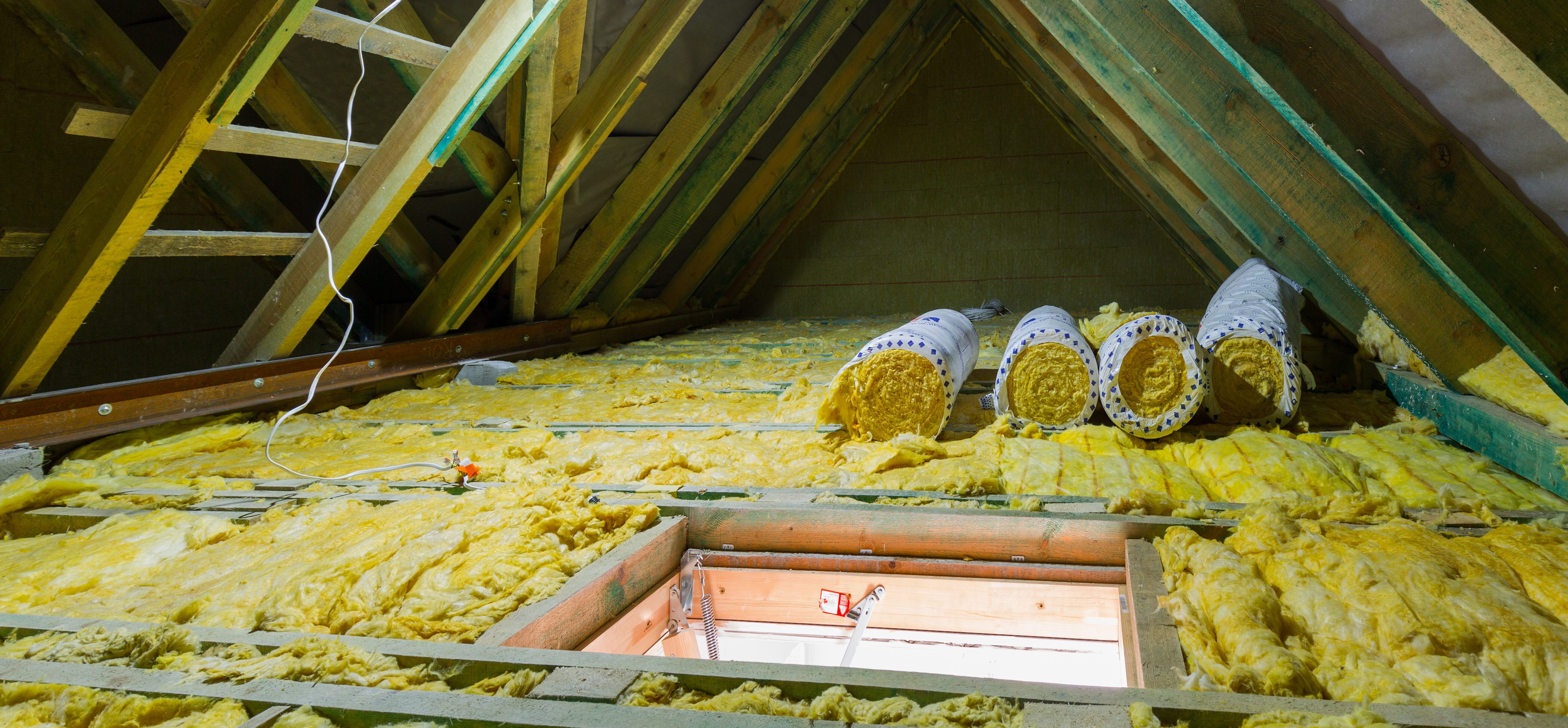
The current government recommended depth is 270mm for loft floor insulation to give you the best thermal results and in turn save you on your energy bills. This installation is suited to most homes, where the loft is already accessible via a loft hatch and ladder and not used as either a habitable room or for storage space.
This is a more conventional budget friendly insulating method that does degrade overtime however typically it can last in excess of 10 years if it is installed correctly, before a replacement may be required.
PITCHED ROOF LOFT INSULATION (SPRAY FOAM)
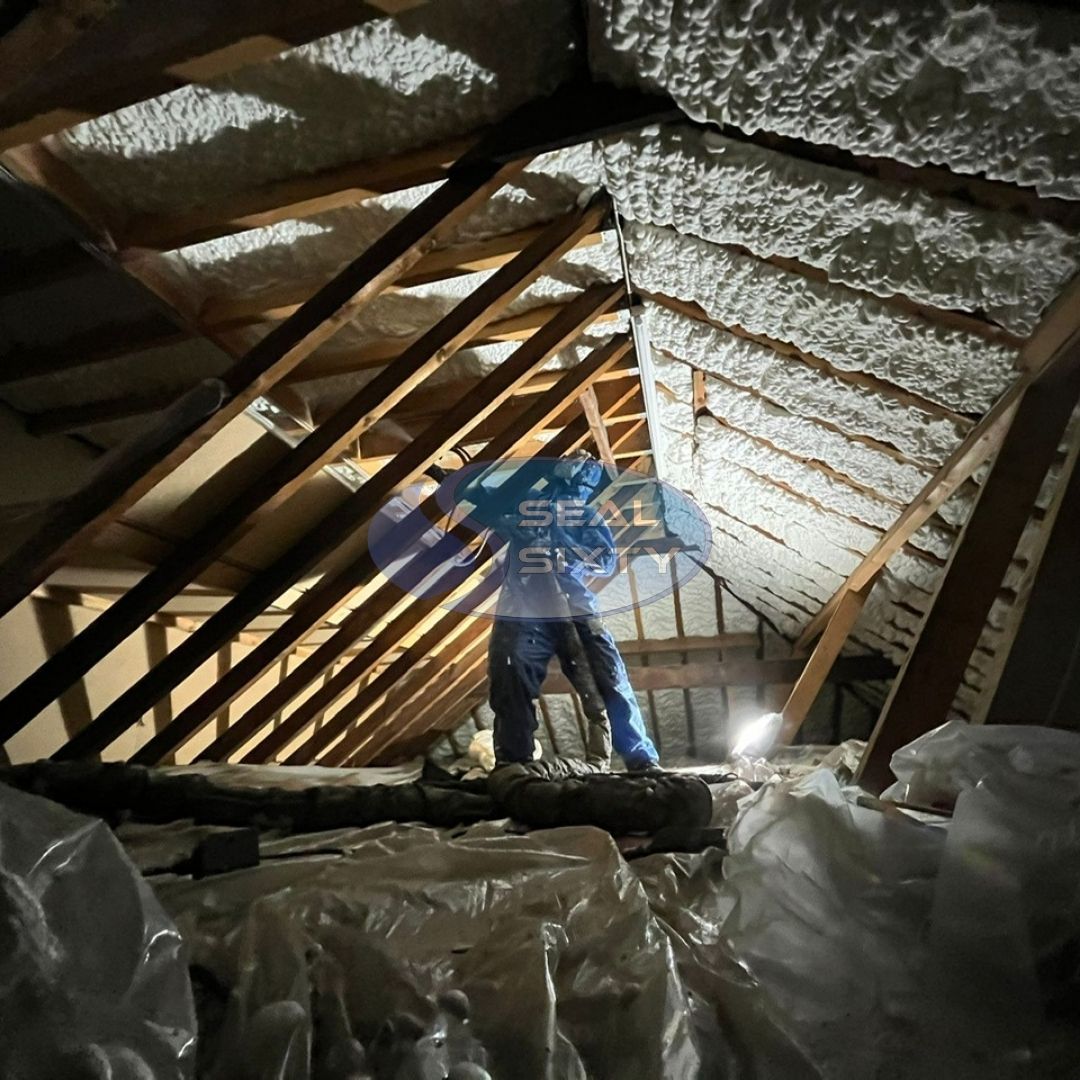
This is a more modern premium insulating method that must be installed by trained accredited professionals (like us!) it comes at a higher premium initially, however the benefits of spray foam far outweigh those of more traditional insulating materials and it lasts the lifetime of the structure.
Open cell spray foam insulation installed at a 100mm depth provides and airtight yet breathable seal to the loft space and is suited too hard to reach areas and/or those wishing to utilise space for room in roof or storage. Adhering to the underside of the pitched roof space (onto a breathable membrane or felt – it should never be applied direct to tile!) with both speed and ease, this vapour permeable system provides unbeatable thermal performance and better yet, it comes fully supported by a BBA certificate and 25 year product warranty.
A full loft survey should be undertaken before either fitment to determine suitability, check for damp and assess overall ventilation and if anything needs upgrading.
Cavity wall insulation
In general houses built from 1990’s onwards tend to be insulated as built to meet current building regulations however if your home is older than this, it’s certainly worth checking as you may not have any cavity wall insulation at all. Types of insulation available within the UK are: loose fill fibres/fluff, insulation batts, spray foam, cellotex and EPS bonded bead cavity wall insulation.
Alongside budget, some other things to consider when choosing your cavity wall insulation are:
-
Fabric of the building/suitability
-
Cavity wall void depth
-
Is there any pre existing damp issues?
-
Is there any pre existing/ partial insulation and how is it performing?
-
Is an extraction required?
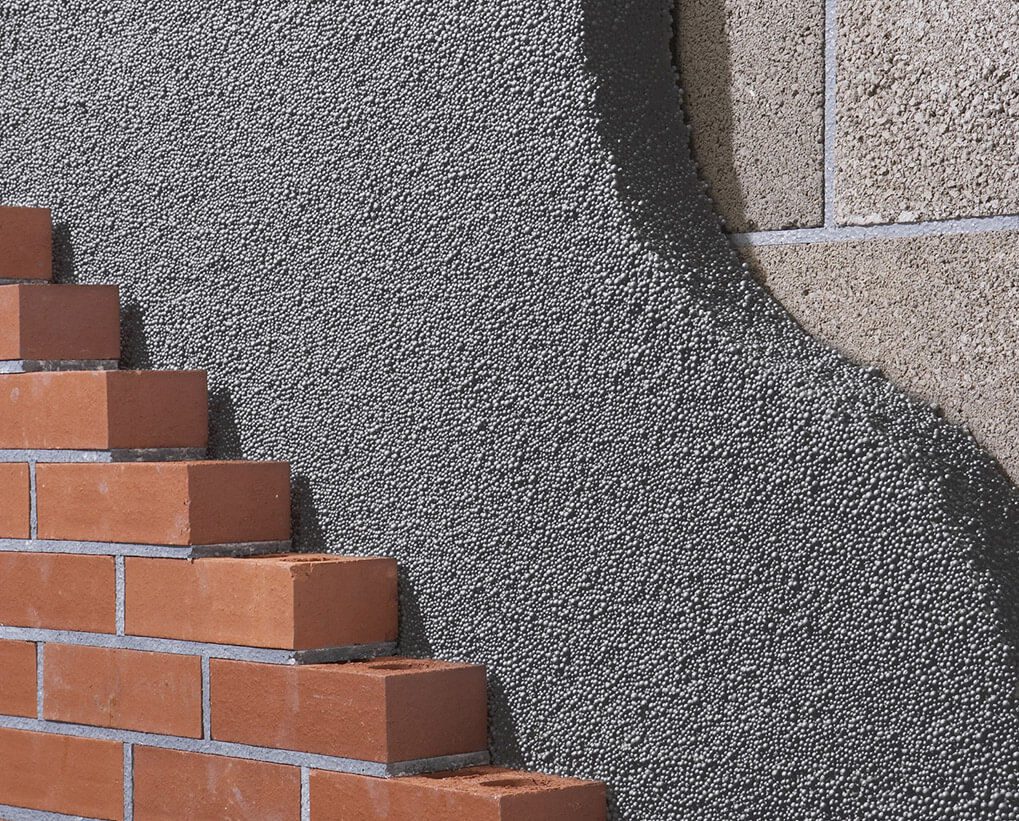
We specialise in the EPS BONDED BEAD CAVITY WALL INSULATION which is suited to most structures with a cavity void of over 40mm. This insulating system is highly water resistant as it’s made from a carbon coated (recycled) plastic material so it is won’t absorb any moisture; any moisture that does absorb through the external brick, won’t therefore have the opportunity to penetrate the internal wall and is dispersed downward throughout the cavity and drained away.
The beads are lightly bonded when installed so overtime they will not move or ‘sag’ overtime unlike most loose blown in fibres and it’s a BBA approved system design that comes with a 25 year independent insurance backed warranty from Quality Mark Protection so you have that added financial security and peace of mind.
A survey is always required pre cavity wall installation to inspect and assess the cavity, check for pre existing blockages/ insulation and any possible rising damp. Also ventilation is fully assessed on survey to ensure that this is adequate if already in place and/or if any ventilation needs updating before your new insulation is installed. This is to ensure your home can continue to breath from within and if needed, air bricks, core vents and/or cavity closers will be installed as part of the works.