Which Ventilation System Is Right for Your Home?
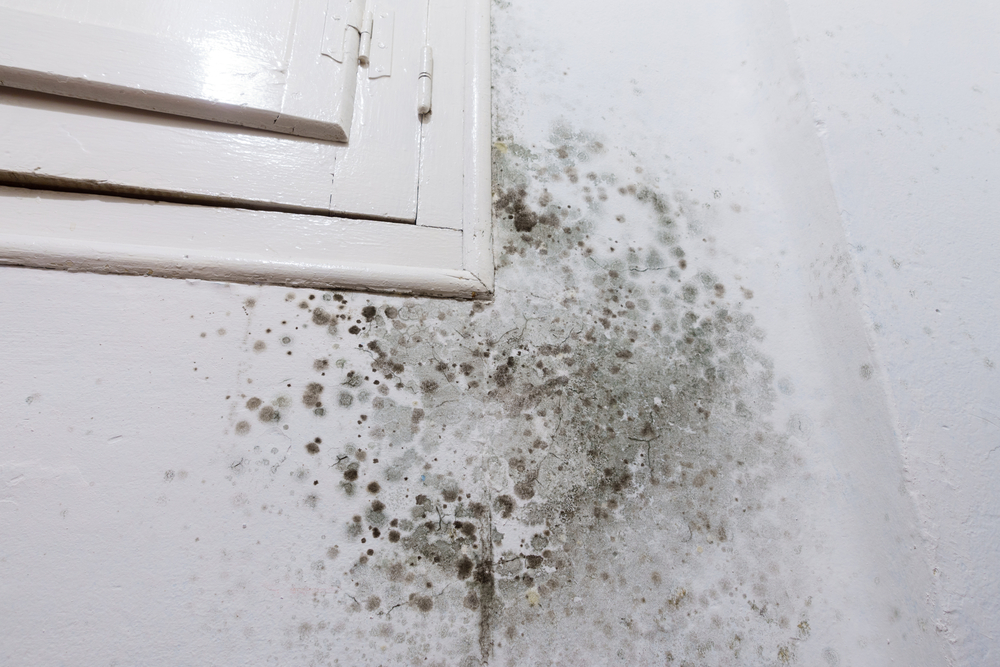
If you’re struggling with mould, condensation, or damp in your home, proper ventilation is the key to a healthier living space. The good news? You don’t need to undertake a major renovation to fix the problem. With the right retrofit ventilation system, you can improve airflow, reduce humidity, and prevent mould—all without major structural changes.
Here are the best solutions for existing homes:
- PIV (Positive Input Ventilation) – Fresh air circulation to prevent condensation and damp
- dMEV (Decentralised Mechanical Extract Ventilation) – Continuous extraction for moisture-prone rooms
- Intermittent Ventilation – Traditional extractor fans for targeted airflow
Positive Input Ventilation (PIV) is one of the most effective ways to combat condensation and damp in existing homes. It works by introducing a constant stream of fresh, filtered air into your home, forcing out moisture-laden air and pollutants.
- Stops condensation and mould growth
- Improves indoor air quality
- Energy-efficient and low maintenance
How it works:
A PIV unit is typically installed in your loft (for houses) or through an external wall (for flats and apartments). It gently pushes air into your home, creating a slight positive pressure that drives stale, humid air out through natural ventilation points like trickle vents and small gaps. Many units also include built-in heaters for added comfort during colder months.
dMEV – A Smarter Upgrade to Standard Extractor Fans
Decentralised Mechanical Extract Ventilation (dMEV) is designed for moisture-heavy rooms like bathrooms, kitchens, and utility rooms. Unlike traditional fans that only work when switched on, dMEV units operate continuously, preventing humidity build-up before it becomes a problem.
- Removes excess moisture at all times
- Quieter and more energy-efficient than traditional extractor fans
- Ideal for bathrooms, kitchens, and utility rooms
Why choose dMEV?
If you have persistent condensation issues in certain rooms, dMEV is a great solution. It runs in the background at a low speed, adjusting automatically when humidity levels rise. Plus, it’s easy to retrofit into existing homes since it can replace standard extractor fans with minimal changes.
Intermittent Ventilation – A Simple Yet Effective Option
Traditional extractor fans, also known as intermittent ventilation, operate when needed—either through a switch, humidity sensor, or motion detector. While not as efficient as dMEV, they can still be useful in specific areas.
- Quick and easy to install
- Budget-friendly solution for damp-prone areas
- Available with humidity sensors, timers, and motion detection
For the best results, intermittent fans should be paired with PIV or dMEV systems to create a complete moisture-management solution.
Which Ventilation System Is Right for Your Home?
- Dealing with whole-house condensation? → PIV for fresh, filtered air circulation
- Struggling with damp in bathrooms or kitchens? → dMEV for continuous extraction
- Need a simple fix? → Intermittent ventilation for targeted moisture removal
By choosing the right retrofit ventilation solution, you can eliminate damp, reduce mould, and improve air quality—all without expensive renovations.
Need help finding the perfect system for your home? Get in touch today!