
Landlords, now’s the time to check your EPC rating!
The government have announced new minimum requirements for all landlords with domestic rented properties, and the minimum level of energy efficiency requirement (EPC) will be rising from an E to a C.
This legislation will become law and is being enforced from April 2025 for all new tenancies, leaving landlords just two and a half years to make properties more energy efficient to obtain that all important C rating. For existing tenancies, there’s a little more leeway and you’ll have until 2028 to upgrade your property and meet the new criteria.
Some properties will naturally need more work than others, so there is no better time than now to get prepared and plan accordingly.
What are the EPC requirements?
Firstly, you will need to get an Energy Assessment Survey conducted by a Domestic Energy Assessor. Essentially the inspector is looking at the interior and exterior of your property to determine how energy efficient it is and what measures (if any) could be placed to increase energy efficiency.
They’ll be assessing:
-
Windows
-
Boilers and heating systems
-
Renewable energy devices such as solar panels
-
Lighting
-
Fireplaces
-
Building dimensions and age
Keep reading to find out the energy improvement services that we can provide 🙂
Once the inspection is complete, your assessor will create an EPC and grade your property’s energy performance. A is the best possible score and G is the poorest.
Currently, your property must achieve a valid EPC rating of E or above, or it cannot be legally let however by April 2025 this will have to become a C rating.
Are there any EPC exemptions?
It’s possible that your property could be exempt from the Minimum Energy Efficient Standards and EPC requirements, for one of the following reasons:
-
Listed or protected buildings that would be compromised by improvements
-
Temporary buildings that will be used for a maximum of two years
-
Some workshops and industrial sites
-
Detached buildings with floor space of 50 metres or less
-
Buildings that are due to be demolished
Period properties can be much more difficult and expensive to retrofit and bring up to the required standard, and this has been acknowledged.
Currently, there is an affordability exemption for situations where changes would not be technically feasible or the cost would exceed £20,000.
Are any governments grants available for landlords?
The government are aiming for a net zero by 2050 and you may qualify for an ECO grant, with new schemes becoming available to a wider audience from Spring 2023.
You could be eligible for measures such as insulation, solar panels and new heating systems for FREE according to the the ECO4 grant.
All of these measures work together to increase EPC ratings and make your property more attractive to tenants, along with increasing it’s overall value.
You can read more on ECO eligibility criteria and register your interest on our website here – ECO FUNDING
Other things to consider
-
The average cost of an EPC is around £75 and takes around one hour to conduct, however this will vary dependant on property type
-
An EPC rating lasts 10 years and once obtained, you only need to renew it if you’re setting up a new tenancy agreement
-
As a landlord you’ll need to give your tenants at least 24 hours written notice of a visitor from an EPC assessor
-
All EPCs are visible on a public register here – Government’s Energy Performance of Buildings Register
-
The penalty for not having a valid EPC will be raised from £5,000 as it now stands, to £30,000 by 2025.
If you’re interested in arranging an EPC assessment or would like further information on any of our home energy improvement services, please don’t hesitate to contact our office.
Home improvement measures that we can offer at Sealsixty

Sub floor ventilation
Suspended underfloor? AirEx smart ventilation will eliminate unnecessary draughts at floor level and not only that, this fit and forget system will increase your EPC rating by a further 2-4 SAP points. Read more here
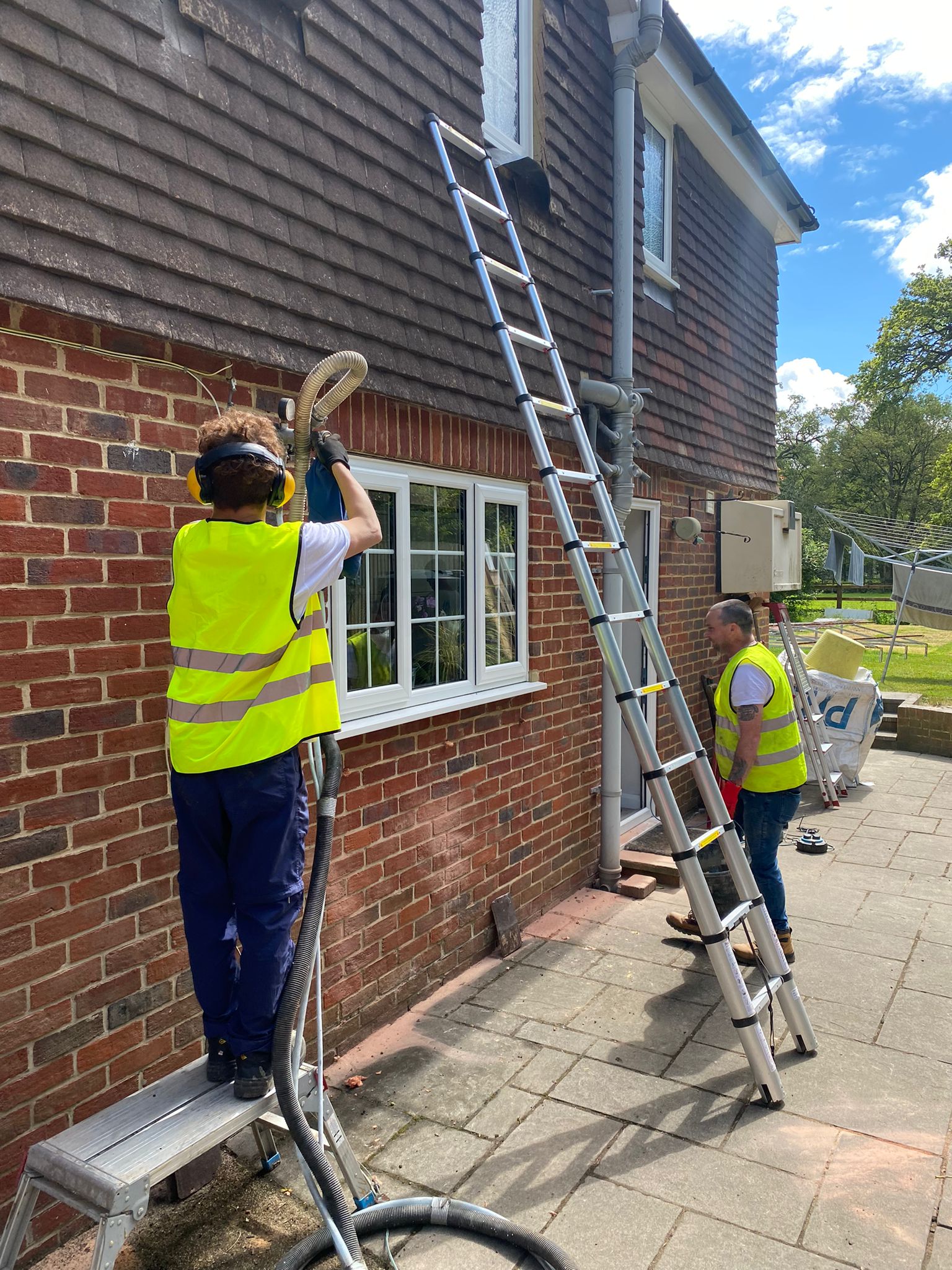
Cavity wall insulation
Around 35% of heat loss is through uninsulated walls according to the energy saving trust! Installing cavity wall insulation or improving your existing insulation can significantly boost your EPC rating. Read more here

Loft floor insulation
Up to 25% of heat loss within a property is from the loft space. Check your loft floor is insulated by at least 270mm of mineral wool to meet the minimum recommendations. Read more here

Pitched roof loft insulation
Room in roof conversions and smaller loft areas would benefit from a pitched roof application. By applying 100mm of open cell insulation you can upgrade your properties energy efficiency. Read more here