What causes condensation within your home?
Condensation occurs when warm air meets a cool surface, turning water vapour into liquid. This tends to form when there is too much humidity in your home and the moisture packed air reaches a chilly surface such as a window, work top, mirror and so on.
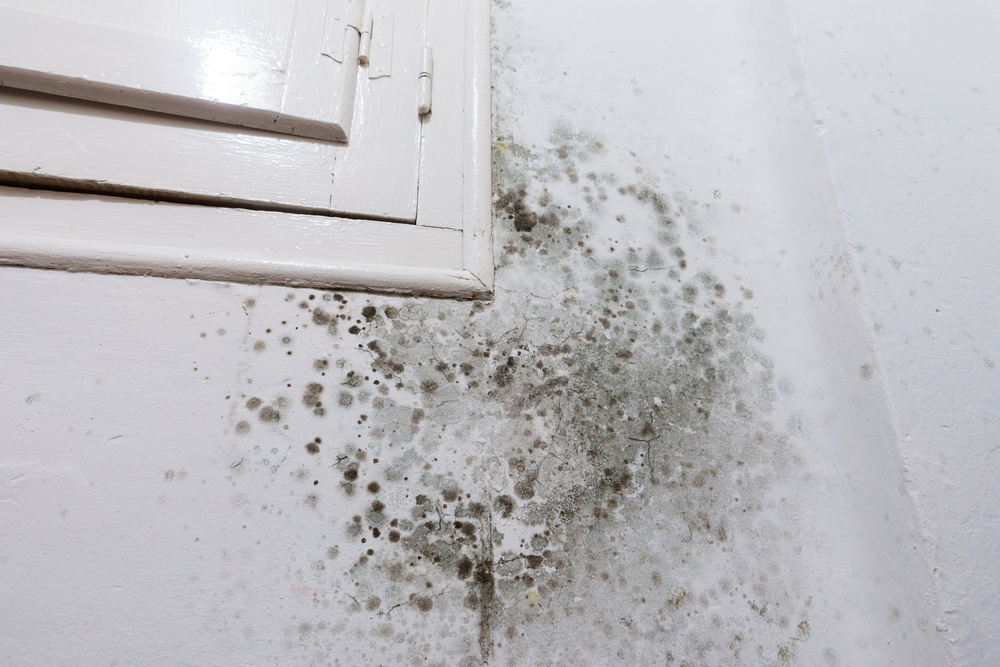
Condensation can form due to a number of daily tasks and activities from; cooking, washing, drying clothes indoors etc, all of which create warm air which naturally rises up to ceiling and upper floor levels within your home, often leading to mould and damp issues where a lack of ventilation is present.
If upgrading your insulation then you need to ensure you also upgrade your ventilation to counter balance moisture build up inside.
A well insulated home is fantastic for many reasons including saving you money on your energy bills and for improving indoor comfort but quite often it can cause condensation and moisture issues if there is not enough background ventilation in place.
If you’re considering adding more insulation to your home you should always have the ventilation assessed to see if this also needs improving.
Insulation and ventilation go hand-in-hand, especially with the extremes in temperature we have been seeing in recent years.
Most homes are usually equipped with adequate ventilation such as:
-
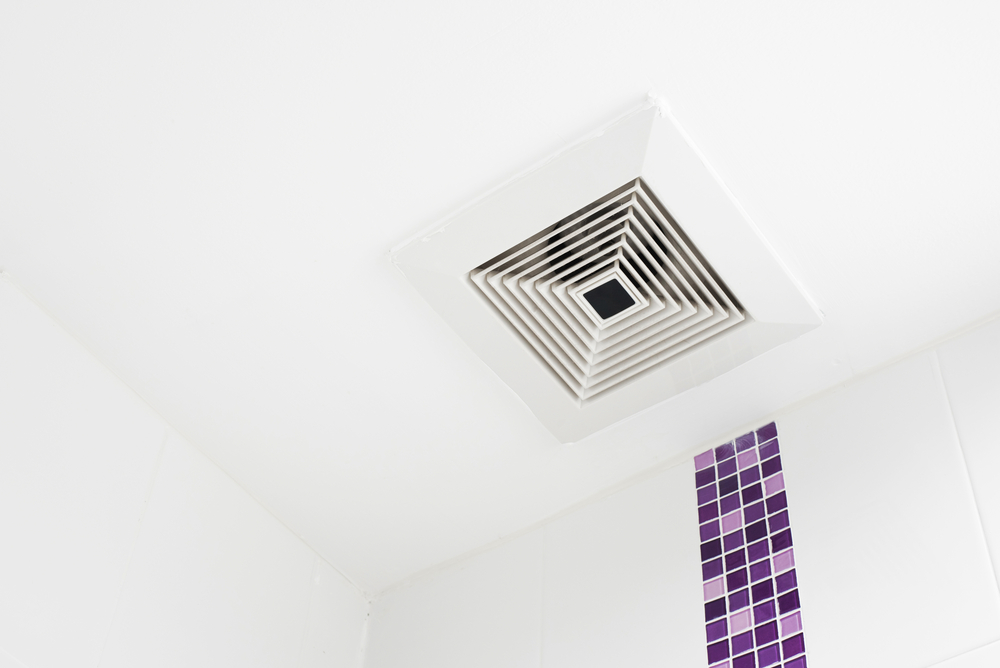
Kitchen and bathroom extractor fans
-
Trickle vents on windows
-
Soffit vents within the loft space
-
Sub floor and wall air bricks
-
Roof tile and/or felt vents within your pitched roof
Now, that’s not to say that all of the above are required. There are many factors that will dictate what type of ventilation is suited to your home and what is required, your insulation surveyor will be able to tell you and offer recommendations.
If you have house plants and pets, these also contribute to indoor vapour so just be mindful that you need to ventilate more regularly. Likewise, if you have a busy household and lots of people living under one roof, you’ll need to do the same.
Handy household tips for reducing condensation
There are several ways that you can contribute to controlling condensation build up within your home and reducing excess water vapour. We’ve listed a few below:
-
When cooking ensure any internal kitchen door (s) remain close to prevent water vapour travelling throughout the rest of your home.
-
Open a window to ventilate your kitchen whilst cooking and prepping meals and of course if fitted, ensure your extractor fan is switched on.
-
When bathing or showering, ensure that your bathroom door remains firmly closed during use and also following use. Again, if you have an extractor fan, switch this on and open a window to help extract the warm air quickly.
-
Remove condensation from any windows every morning to prevent excessive build up and possible mould growth. Ventilate the room accordingly (crack open a window now and again if you can)
-
Familiarise yourself with your heating controls and try to maintain a consistent comfortable temperature if you’re able too.
-
If you have no other alternative for drying clothes (we appreciate the weather is against us in the UK) and need to do this indoors, choose a room that’s well ventilated and keep the door closed.
Here at Sealsixty, our pre installation survey for any insulation will also include a comprehensive ventilation check to ensure that the improvements we’re fitting won’t negatively impact moisture build up within your home. We’ll check all existing background ventilation and provide advice on any upgrades that you may require.
If you have a suspended underfloor or any room ventilation with standard air bricks, why not ask us about our smart ventilation system that can further reduce your energy bills by better insulating your home that can save you more money on your energy bills and upgrade your EPC.